
Health and wellness is the proactive pursuit of complete physical, mental, and social wellbeing — not merely the absence of disease. The World Health Organization established this definition in 1946, yet for decades the biomedical model treated health as a simple binary: you were either sick or well. Modern science tells a different story. Noncommunicable diseases now account for 75 percent of global deaths, and lifestyle behaviors contribute to roughly 40 percent of mortality in industrialized countries. True wellness requires an integrated approach that addresses how we eat, move, sleep, connect, and manage stress.
The Six Pillars of Lifestyle Medicine
The American College of Lifestyle Medicine has established six foundational pillars that form the core of evidence-based wellness. These are not abstract ideals — each one is backed by rigorous clinical research showing measurable improvements in health outcomes.
Nutrition
What we eat directly shapes both physical and mental health. A 2017 randomized trial found that 32 percent of patients with moderate-to-severe depression achieved remission through dietary interventions alone. A 2019 meta-analysis of more than 45,000 participants confirmed that dietary changes significantly reduce symptoms of depression and anxiety, particularly in women. The Mediterranean diet stands out: moderate adherence reduces depression risk by 27 percent, and high adherence by 32 percent. Consuming seven to eight servings of fruits and vegetables each day produces the highest happiness benefits.
The mechanisms are well understood. The gastrointestinal microbiome produces neurotransmitters including GABA, dopamine, serotonin, and norepinephrine. The Dietary Inflammatory Index tracks how food choices drive systemic inflammation. And micronutrients such as tryptophan — the precursor to serotonin — play a direct role in mood regulation.
Exercise
The World Health Organization recommends at least 150 minutes per week of moderate-intensity aerobic activity, combined with resistance, balance, and flexibility training. The 2018 European Psychiatric Association guidelines now classify physical activity as a fundamental method for managing depressive disorders and schizophrenia. Research shows exercise can be equally effective as antidepressants or psychotherapy for improving depressive symptoms, especially when guided by an exercise specialist.
Remarkably, even a single ten-minute bout of exercise produces clinically significant mood improvement. Functional MRI studies reveal increased white matter volume throughout the brain following regular exercise — structural changes that support long-term cognitive and emotional health.
Relationships

The Harvard Grant Study, a 75-year longitudinal investigation, found that interpersonal relationships were the single strongest predictor of life satisfaction. The effect is striking: volunteering weekly increases life satisfaction by the same amount as moving from an annual income below $20,000 to above $75,000.
Stress Management
Simple practices yield powerful results. Recording three positive takeaways at the end of each day for six months improves emotional wellbeing across the lifespan. A single gratitude visit — composing and delivering a letter of gratitude — improves subjective wellbeing even one month later.
Sleep
Sleep deprivation amplifies emotional reactivity. fMRI studies show that sleep-deprived individuals have significantly more limbic region activity and are more than twice as likely to remember negative information. The Pittsburgh Sleep Quality Index remains the standard research tool for assessing sleep health.
Substance Use
Nearly 34 percent of adults diagnosed with a mental health condition use tobacco — 10 percent higher than the general population. Smoking cessation for six weeks or longer decreases symptoms of anxiety, depression, and stress, with effect sizes comparable to antidepressants. Alcohol use disorder carries a two- to three-fold increased lifetime risk for depression and anxiety.
Motivational Interviewing and the Science of Behavior Change
Knowing what to do is only half the battle. Motivational interviewing, developed by Miller and Rollnick in the 1980s, provides a patient-centered conversation style that helps people find their own reasons for change. The spirit of MI rests on four principles: partnership, acceptance, compassion, and evocation. Miller and Rollnick describe it as dancing versus wrestling — working in harmony rather than struggling against resistance.
The evidence for MI is substantial. MI-based online counseling correlates with greater weight loss and an average reduction of 225 kilocalories per day. Autonomy-supportive communication increased fruit and vegetable consumption by 1.07 servings per day compared to 0.43 in control groups. A 12-week MI program in Uganda increased daily fruit and vegetable intake six-fold.
For physical activity, MI combined with exercise increased walking duration by 30 minutes per week and reduced BMI by 33.68 percent over six months. In cardiac rehabilitation, an eight-week MI-integrated program produced significant improvements in moderate-to-vigorous activity and cardiorespiratory fitness — and each 1 mL/kg/min increase in fitness corresponds to a 10 to 15 percent reduction in cardiovascular mortality.
Health and Wellness Coaching
Health and wellness coaching has emerged as a distinct profession with its own standards and certification pathways. The National Board for Health and Wellness Coaching, in partnership with the National Board of Medical Examiners, has certified more than 14,000 health coaches nationally as of 2026. Certification requires completion of an approved training program, assessment of practical skills, and a written examination.
Coaching works through what Moore calls tilling the ground — shifting from an expert mindset of judging, fixing, and rescuing to a coaching mindset that holds space for motivation and confidence to emerge. This approach is grounded in Self-Perception Theory, which suggests that individuals interpret their own inner states by observing their behavior. In other words, behavior leads to motivation, not the reverse.
The results speak for themselves. The Diabetes Prevention Program reduced the risk of developing type 2 diabetes by 58 percent among adults with prediabetes. A study of 5,373 adults with prediabetes found that DPP participants incurred roughly $4,500 less per person over two years. In workplace settings, Sargento Foods partnered with Marathon Health to serve more than 5,000 eligible employees, achieving 85 percent engagement, 99.6 percent member satisfaction, and a 17 percent cost reduction.
Social Determinants of Health
No discussion of wellness is complete without addressing the conditions in which people live. The U.S. Department of Health and Human Services defines social determinants of health as the environments where people are born, live, learn, work, play, worship, and age. These factors account for as much as 50 percent of county-level health outcomes, while healthcare itself contributes only 10 to 15 percent.
The disparities are stark. Life expectancy for Black Americans is four years shorter than for White Americans. People of color have higher rates of diabetes, hypertension, obesity, and premature death. Food insecurity is associated with a 15 percent increased risk of chronic illness and a 58 percent increased risk of death from any cause. Americans in rural areas are more likely to die from heart disease, cancer, and stroke.
The economic cost of these inequities is enormous. Eliminating health inequities for people of color would have reduced direct medical expenditure by $229.4 billion between 2003 and 2006. Indirect costs from illness and premature death exceed $1 trillion. Yet the United States spends only 55 cents on social services for every dollar spent on healthcare, compared to roughly two dollars in other OECD countries.
Mental Health and the Wellness Connection
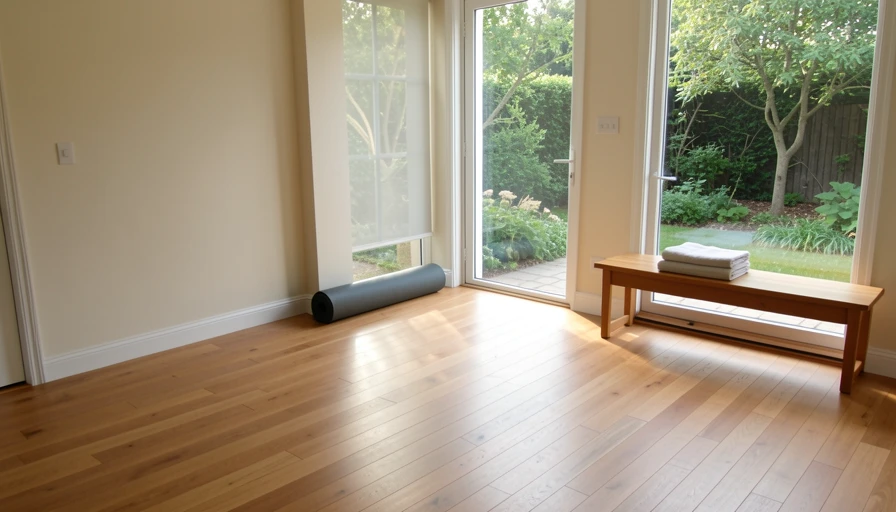
Depression affects 17 to 21 percent of U.S. adults and ranks as one of the leading global causes of disability. The lifestyle interventions discussed earlier — nutrition, exercise, stress management, sleep, and substance use reduction — all demonstrate meaningful effects on mental health outcomes.
For those with treatment-resistant depression, additional options are essential. tms therapy uses magnetic pulses to stimulate specific regions of the brain involved in mood regulation, offering a non-invasive treatment for people who have not responded to traditional approaches.
Burnout among healthcare workers has reached crisis levels. Fifty-five percent of the nursing workforce experiences symptoms of burnout, and 25 percent of nurses left the profession in 2022. About 50 percent of medical students experience burnout before residency, and 90 percent of people with burnout test positive for depression. Programs like the WellNurse initiative — a longitudinal cohort study offering mindfulness-based stress reduction, cooking workshops, fitness training, and massage therapy — represent a promising model for addressing this crisis.
The Seven Dimensions of Holistic Wellbeing
The 7DHW model, proposed by Silva, Soares, and Schifferdecker-Hoch in 2024, expands the conversation beyond physical health. The seven core dimensions include self-esteem, body image, social relationships, environment, meaningful work, health knowledge, and sense of future. This framework recognizes that wellbeing emerges from the dynamic interplay between internal factors like self-worth and external factors like stable housing and purposeful employment.
The model aligns with the evolution of wellness thinking over the past century. The biomedical model of the early 1900s gave way to humanistic psychology in the 1950s and 1960s, the Lalonde Report in the 1970s, positive psychology in the 1990s, and now ecological models that account for social determinants, integrative medicine, and coaching science.
Current Trends and the Future of Wellness
The global wellness industry is now valued at $6.8 trillion. Several trends are reshaping the field in 2026. Consumers are moving away from high-intensity performance metrics toward rest, stress management, and nervous system regulation — a backlash against over-optimization. The longevity market is pivoting to address women’s healthspan uniquely, including ovarian aging, menopause, and female-specific diagnostics. Functional nutrition has gone mainstream, with protein sodas and drinks containing NAD and resveratrol becoming everyday refreshments rather than post-gym supplements.
Neurowellness practices such as vagus nerve stimulation and somatic therapies are addressing nervous system exhaustion. Microplastics and environmental toxins have entered the wellness conversation. And private wellness membership clubs are emerging as new third spaces for in-person, screen-free connection.
About Neuralia TMS
Business: Neuralia TMS
Spokesperson: Dr Shanek Wick
Position: Medical Director
Phone: 08 6230 3996
Fax: 08 6230 2231
Email: info@neuralia.com.au
Location: Suite 102/149–155 Pascoe Vale Rd, Moonee Ponds VIC 3039
Website: neuraliatms.com.au
Frequently Asked Questions
What is the difference between health and wellness?
Health refers to the absence of disease or infirmity. Wellness is the proactive pursuit of optimal functioning across physical, mental, and social dimensions. You can have a chronic condition and still pursue wellness.
How much exercise do I really need?
The WHO recommends at least 150 minutes per week of moderate-intensity aerobic activity, plus resistance, balance, and flexibility training. Even a single ten-minute bout of exercise produces measurable mood improvement.
Can diet really affect mental health?
Yes. A 2017 trial found 32 percent depression remission with dietary interventions alone. The Mediterranean diet reduces depression risk by up to 32 percent. Seven to eight servings of fruits and vegetables daily produce the highest happiness benefits.
What is motivational interviewing?
It is a patient-centered conversation style developed by Miller and Rollnick that helps people find their own reasons for behavior change. The four core processes are engaging, focusing, evoking, and planning.
How do social determinants affect health outcomes?
Social determinants — income, education, housing, neighborhood conditions — account for up to 50 percent of health outcomes, compared to 10 to 15 percent from healthcare itself. Food insecurity increases chronic illness risk by 15 percent and death risk by 58 percent.
What is health and wellness coaching?
Health and wellness coaching is a patient-centered approach where individuals determine their own goals and use self-discovery and self-monitoring within a supportive relationship with a trained coach. More than 14,000 coaches are board-certified nationally.
How does TMS therapy work for depression?
TMS therapy uses magnetic pulses to stimulate brain regions involved in mood regulation. It is a non-invasive treatment option for people with treatment-resistant depression who have not responded to traditional approaches like medication or psychotherapy.
What are the six pillars of lifestyle medicine?
Nutrition, exercise, relationships, stress management, sleep, and substance use avoidance. These pillars form the evidence-based framework established by the American College of Lifestyle Medicine.
What is the 7DHW model?
The Seven Dimensions of Holistic Wellbeing model includes self-esteem, body image, social relationships, environment, meaningful work, health knowledge, and sense of future. It was proposed by Silva, Soares, and Schifferdecker-Hoch in 2024.
How can I start improving my wellness today?
Begin with one small change. Add a serving of vegetables to one meal. Take a ten-minute walk. Write down three positive things at the end of the day. Reach out to a friend. Small consistent actions produce meaningful results over time.